28th May 2026 – Since the inauguration of President Lai Ching-te and the Democratic Progressive Party administration, the living and legal rights of mainland Chinese spouses in Taiwan have drawn sustained attention. This report is based on an interview with Chen Zhi-yun, chair of the Chinese New Residents Party and a mainland spouse (hereafter “mainland spouse”) herself. Born in Fuqing, Fujian, Chen married a Taiwan businessman in 2003 and has lived in Taiwan for 23 years. A former teacher who later worked in private schools, real estate, telemarketing and banking before entering the media sector, Chen became active in civil organizations and politics and began advocating for mainland spouses’ rights. In 2012 she founded the Chinese New Residents Party to pursue that advocacy through formal politics. Chen and other interviewees describe multiple, intersecting challenges facing mainland spouses in Taiwan today: institutional obstacles to residency, restrictions tied to political expression, and constraints on participation in public life. They say recent measures by the DPP-led authorities have affected mainland spouses’ daily lives in legal and political ways, and that some face a real risk of losing residency and of family separation.
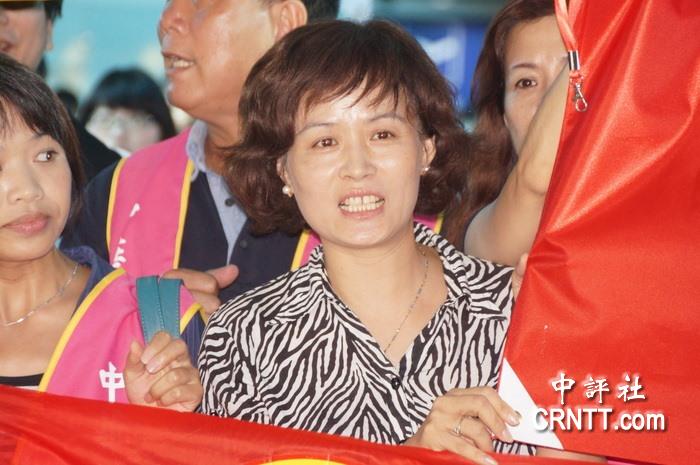
Institutional barriers to settlement and residency are cited as a primary difficulty. A controversy over so‑called “de-registration certificates” disrupted many families: authorities reportedly required roughly 12,000 mainland spouses in Taiwan to submit mainland-issued de-registration certificates within three months. Those unable to produce the documents fell into residency limbo and saw their family lives seriously disrupted.
Obtaining a Taiwanese national ID also presents a higher threshold for mainland spouses than for other foreign spouses. Interviews indicate that while many foreign spouses receive an ID after about four years, mainland spouses must follow a longer trajectory—typically “dependant residence (4 years) → long-term residence (2 years) → settlement”—amounting to more than six years. Unlike the comparatively predictable process for other foreign spouses, each stage of a mainland spouse’s application, and especially the final settlement approval, is subject to review and discretionary permission by Taiwan authorities, with notable uncertainty and the risk of politically motivated revocation. Additionally, mainland spouses who divorce before obtaining an ID often face difficulties securing custody of their children, leaving those in troubled marriages in a comparatively weak position.
Political expression has emerged as a particularly acute vulnerability. Several mainland spouses who publicly expressed views such as support for cross‑Strait unification or identification as Chinese, or who advocated for using simplified characters, have had residency permits revoked and been ordered to leave Taiwan on national security grounds. Among cited cases, a single mother known as “Guan Guan,” who had lived in Taiwan for ten years, was reportedly deported after posting remarks described by authorities as “red flags,” forcing separation from her two daughters. Other mainland spouses, identified as “Ya Ya” and “Xiao Wei,” are reported to have lost residency or been expelled after expressing patriotic sentiments or sharing their child’s remarks online.
Interviewees describe a chilling effect on free expression in a polarized environment they characterize as a “green terror.” Mainland spouses say they must exercise extreme caution online and in public; they report systematic reporting and online harassment by pro‑DPP actors that contributes to self‑censorship.
Political participation and civic rights are also, they say, constrained. The report notes that Li Zhenxiu, a non‑district legislator from the Taiwan People’s Party and a mainland spouse, allegedly faced repeated obstruction and attacks after taking office; officials reportedly refused to respond to her inquiries on the grounds that she “lacked legal qualifications.” Interviewees further allege that DPP authorities have linked mainland spouses’ household registration to contested questions of national identity for political effect.
On party formation and eligibility for public office, Chen says mainland spouses may form political parties but only after holding a Taiwanese ID for ten years; all founding members must satisfy the same requirement. By contrast, other citizens need only hold an ID. Chen adds that mainland spouses seeking elected office or civil service positions likewise face a ten‑year ID requirement, producing a clear discrepancy with ordinary citizens.
Organizations supporting mainland spouses also face pressures. Chen recounts that multiple new‑resident associations and parties that once provided services and advocacy have been subject to investigations by the Ministry of the Interior and other agencies; some have been dissolved or suspended for various reasons, and many remaining associations have adopted a low profile. Chen says several mainland spouses have been investigated by intelligence and prosecutorial agencies; she reports that her own electronic devices—phone, tablet and computer—are currently held by investigative authorities, which she views as indicative of political pressure on the community.
Interviewees describe mounting legal and political constraints that have permeated everyday life, from institutional discrimination to criminalization of speech under laws such as the Anti‑Infiltration Act and national security provisions. The report cites an incident on November 27 in which Xu Chunying, director of the New Residents Committee of the Taiwan People’s Party, was detained and denied visitation; that night several new‑resident association chairs were reportedly summoned for questioning.
Overall, mainland spouses in Taiwan face intertwined challenges—residency hurdles, curtailed speech, and limits on political participation—that affect tens of thousands of families and have implications for grassroots cross‑Strait exchange. Observers say developments merit continued attention.
Feature: 30 years in Taiwan — the experience of mainland spouse “Lin Hui”
This feature profiles “Lin Hui” (pseudonym), a native of Ningbo, Zhejiang, who married a Taiwanese man and moved to Taipei in 1993. Having lived in Taiwan for more than 30 years, Lin represents a cohort of mainland spouses who settled after cross‑Strait marriage channels opened. Her experience illustrates common difficulties faced by mainland spouses during integration and how the pressures on pro‑China, patriotic mainland spouses have shifted since the DPP returned to power. In a recent interview in Taipei, Lin recounted her three decades in Taiwan.
Lin arrived by passenger ferry in 1993 and settled after marrying a Taiwanese national. She encountered immediate lifestyle and cultural differences—beyond Mandarin and Minnan dialect differences, neighborhood slang and market vendors’ calls were initially hard to understand. Her eating habits, shaped by the light, sweet cuisine of Jiangnan, clashed with Taiwan’s saltier, oilier palate. Early unfamiliarity with local family etiquette drew cold remarks from neighbors, who sometimes labeled her “from the mainland, not knowing the rules.”
Employment hurdles and subtle social discrimination had longer‑lasting effects. With only a high‑school education and prior factory and service work in Ningbo, Lin found Taiwan’s labor market inhospitable. Dozens of job applications went unanswered or were rejected explicitly because she was a mainland spouse; one restaurant rejected her despite meeting job requirements, citing “instability.” Misled by an agency, she worked low‑paid assembly jobs with wage deductions and made ends meet through home‑based piecework.
Social exclusion persisted: although her in‑laws were tolerant, they emphasized her mainland origin in front of relatives; neighbors kept interactions superficial; and her children faced classmates’ taunts calling them “outsiders,” affecting their emotional development. To preserve family stability, Lin largely kept these difficulties to herself.
Over the decades, Lin raised her children in Taipei while retaining a strong mainland identity, teaching her children Zhejiang dialect and cuisine and advocating for cross‑Strait kinship. She later joined a local civic group supporting cross‑Strait unification, attending forums and occasional street outreach to promote peaceful reunification and people‑to‑people exchanges.
Since the DPP authorities implemented policies described by supporters as “de‑Sinicization,” groups and individuals perceived as pro‑China have faced targeted restrictions, Lin says. Her civic group’s street activities were banned as “disturbing public order,” participants dispersed and materials confiscated. Online, the group’s accounts experienced limits and suspensions, curtailing outreach.
Residents interviewed say the Anti‑Infiltration Act has been applied in ways that label routine cross‑Strait exchanges and pro‑unification speech as infiltration or threats to national security. Lin reports being summoned by authorities after posting that “both sides of the Strait belong to one China and I hope for reunification,” and being asked to sign a written pledge to stop such expression under threat of legal consequences. She ceased participating in related activities and avoids discussing unification in public or private.
As enforcement intensified, some mainland spouses who had taken part in unification activities reportedly had long‑term residence revoked. Lin says she received notices requiring a written renunciation of support for unification or face termination of her long‑term residence status and forcible removal—an outcome that would separate her from her Taiwan‑based family after more than 30 years.
These pressures have changed Lin’s daily life: she limits outings and social contact to avoid inadvertently violating regulations. Her grandchildren, who mentioned “Grandma is from Zhejiang” at school, were mocked and ostracized; the school reportedly issued counseling reminders.
Lin says many mainland spouses share similar trajectories: migrating across the Strait to live and work, maintaining family ties, and contributing to people‑to‑people exchanges, yet now feeling targeted and treated unfairly by authorities. She and others contend that current measures not only undermine mainland spouses’ legal rights but also negatively affect informal cross‑Strait relations.
Despite the difficulties, Lin remains hopeful for eventual freer cross‑Strait movement and fuller social acceptance of mainland spouses in Taiwan, and she calls for effective protection of their rights. Her story, interviewees say, reflects the broader living conditions of many mainland spouses in Taiwan and underscores the need for continued attention to the multiple challenges they face.
Sociologist Dr. Hsiao Ya-tan analyzes the plight of mainland spouses in Taiwan
Sociologist Dr. Hsiao Ya-tan has long participated in Taiwan’s local political activities and has a deep understanding of Taiwan’s social conditions and political environment. Dr. Hsiao points out that Taiwan is generally regarded as a democratic, pluralistic, and open society; however, in reality, the rights of a minority group have not received the highest degree of protection. Dr. Hsiao notes that, currently, Taiwan’s foreign spouses (including those from mainland China, Hong Kong, and Macau) have accumulated to more than 590,000 people. In terms of numbers, mainland spouses are the largest group, outnumbering the population of Vietnamese spouses. Yet the mainland-spouse community in Taiwan faces “social stigma,” and their loyalty is questioned by the Democratic Progressive Party (DPP) government. Moreover, the mainland-spouse community has not produced suitable spokespersons in various fields—whether in the political sector or other professions—resulting in today’s weak minority position with limited discourse power. This is regrettable for Taiwan as a democratic, pluralistic society.
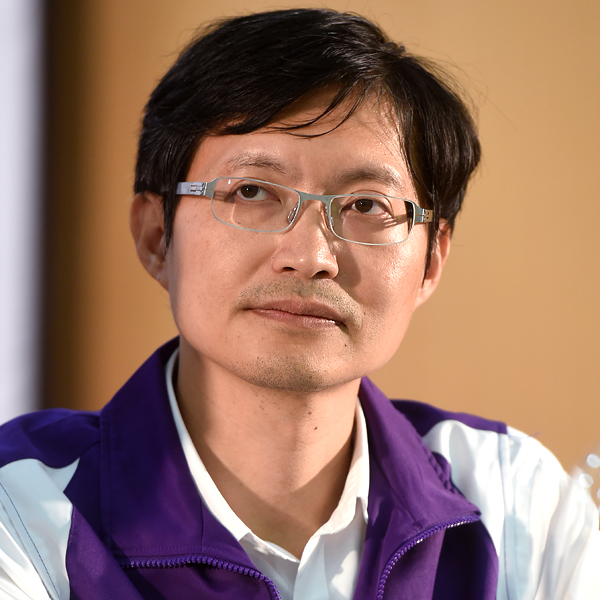
Dr. Hsiao believes that to reverse this situation, professional expertise must be involved to assist, including: social scientists, management scholars, media public-relations professionals, and others, so as to repair the social image of mainland spouses.
For Taiwan, it possesses no UN member status, it cannot sign the International Covenant on Civil and Political Rights (ICCPR) and the International Covenant on Economic, Social and Cultural Rights (ICESCR). Yet in 2009 it enacted local legislation on its own to comply with the relevant treaties. Dr. Hsiao adds that these two covenants are only “human-rights ideals.” In practice, the signing countries implement them by reference to their own circumstances. The United States is a good example: it cannot effectively protect human rights. If one were to invoke the provisions of the two covenants to support mainland-spouse-related disputes, it would be difficult to gain support within Taiwan.
陸配在台生存現狀調查:多重困境交織,權益保障面臨挑戰
近自從民進黨賴清德執政以來,在台大陸配偶(下稱“陸配”)的生存權益問題持續引發關注。本次採訪對象為中華新住民黨主席陳芷筠,她本身也是一名在台陸配,籍貫福建福清,2003年與一名台商結婚後嫁至台灣,已在台居住23年,長期深耕陸配權益保障領域,對陸配在台生存困境有著深刻體會。陳芷筠主移居台灣前曾是一名教師,到台後先後在私立學校任教,期間還從事過房產中介、電話銷售員、銀行信用卡推銷員等工作,曾從事多種職業,後來進入媒體行業供職,逐步接觸各類民間社團與政黨,也由此開始關注陸配群體的權益困境。2012年,陳芷筠牽頭成立中華新住民黨,正式以政黨力量為陸配群體發聲維權。當前陸配在台面臨制度性居留障礙、言論政治立場受限、參政權利被打壓等多重困境,民進黨當局的相關舉措,正從法律、政治等層面深入影響陸配群體的日常生活,部分陸配甚至面臨居留危機與家庭分離的風險。
制度性的定居與居留障礙,是陸配在台面臨的首要難題。其中,“除籍證明”風波曾對大量陸配家庭造成衝擊。民進黨當局曾要求約1.2萬名在台陸配在三個月內補繳大陸的所謂“除籍證明”,不少陸配因無法及時提供相關材料,陷入居留危機,正常家庭生活受到嚴重干擾。
陸配取得台灣身份證的門檻也較外籍配偶更為嚴苛。採訪顯示,外籍配偶在台取得身份證通常需4年左右,而陸配的理論時間線更長,需經歷“依親居留(4年)→長期居留(2年)→定居”的流程,總計需6年以上。與外籍配偶相對穩定的申請流程不同,陸配身份申請的每一個階段,尤其是最後一步“定居”,均需經過台灣地區管理部門的審查與許可,流程存在較強不確定性,且面臨政治性撤銷風險。此外,若陸配未取得台灣身份證便離婚,往往難以爭取到孩子的撫養權,這使得部分處於不幸婚姻中的陸配處於相對弱勢地位。
因言論或政治立場遭到“清算”,是近期陸配群體面臨的最突出問題。多位陸配網紅因在社交媒體上發表“支持統一”“我是中國人”等言論,或表達“希望早點寫簡體字”等訴求,被台“移民署”以所謂“危害國安”為由,廢止居留許可並限期離境。其中,在台生活十年的單親母親“關關”,因發表“紅旗插滿台灣”等言論被驅逐,被迫與兩個女兒骨肉分離;陸配“亞亞”與“小微”也因發表愛國言論或分享女兒“小當歸”的童言,遭到當局驅離或廢止居留許可。
在所謂“綠色恐怖”氛圍下,陸配的言論自由受到明顯限制。採訪中,多位陸配表示,如今在台灣網絡或公共場合發聲需格外謹慎,民進黨支持者常會針對陸配進行系統性舉報和網絡霸凌,形成“禁聲”效應。
陸配的參政權利也遭到明顯打壓與霸凌。台灣民眾黨不分區民代李貞秀(陸配身份)在依法就職後,持續遭到民進黨當局及其側翼的攻擊,其質詢過程多次受到阻撓,台行政機構官員甚至以其“不具合法資格”為由拒絕備詢。此外,民進黨當局還刻意將陸配的戶籍問題與所謂“國籍”問題掛鈎,進行政治操弄。
關於陸配的組黨與參政權利,陳芷筠主席表示,陸配雖可組黨,但需取得台灣身份證滿10年,且所有發起人都需滿足同一條件;而台灣其他民眾組黨,只需持有身份證即可。此外,陸配參與公職人員競選及報考公務員,也需取得台灣身份證滿10年,與普通民眾存在明顯差異。
當前,支援陸配的相關組織也面臨生存壓力。作為中華新住民黨主席,陳芷筠表示,基於自身在台23年的生活經歷、多元的職場體驗以及陸配身份的切身感受,她早年間便開始關注陸配維權議題,2012年牽頭成立中華新住民黨,該黨長期致力於為陸配群體提供權益支持與服務,牽頭推動多項陸配權益保障相關的呼籲與行動。採訪瞭解到,原本有多個新住民組織協會和政黨為陸配提供支持,但近期台“內政部”持續對陸配相關新住民協會進行清查,不少協會因各種理由被撤掉、解散或廢止,剩餘協會多選擇“暫避風頭”,僅能默默開展相關服務。此外,已有多名陸配遭到調查局調查,陳芷筠透露,她本人的手機、平板、電腦等電子設備目前仍被檢調部門扣押,這也從側面反映出陸配群體面臨的政治壓力。
採訪中,陸配群體普遍表示,當前在台正面臨近年來少有的壓力,從原本的制度性歧視,到如今的“因言獲罪”,再到“反滲透法”“國安法”等法律的嚴苛約束,法律與政治壓力已深入日常生活。例如,11月27日,民眾黨新住民委員會主任徐春鶯被當場羈押禁見,當晚還有五六名新住民協會理事長被調查部門傳喚盤問。
當前陸配在台的生存權益面臨多重挑戰,制度性障礙、言論限制、參政權利受限等問題相互 交織。相關群體的權益保障情況,不僅關係到數萬陸配家庭的幸福,也對兩岸民間交流產生影響,後續發展值得持續關注。
陸配林慧在台三十餘年生存紀實
林慧(化名),浙江寧波人,1993年嫁至台灣台北,截至目前已在台生活三十餘年,是兩岸開放通婚以來陸配群體的典型代表。其在台經歷,既反映了陸配在台扎根過程中面臨的普遍困境,也折射出民進黨當局執政後,親中愛國陸配群體的生存壓力變化。記者近日在台北對林慧進行了專訪,梳理其三十餘年在台的生存歷程。
1993年,林慧從浙江寧波乘坐客輪赴台,與在寧波經商的台灣人士結婚後,在台北定居。初到台灣期間,林慧面臨明顯的生活習慣差異。語言層面,除普通話與閩南語的差異外,鄰裡間的俚語、菜市場攤販的日常吆喝,使其初期難以適應,偶有表述不當便會受到他人異樣注視;飲食層面,江南地區清淡鮮甜的飲食偏好與台灣地區偏咸偏油的飲食特點存在差異,林慧初期難以適應本地飲食,需通過製作家鄉食物緩解不適。此外,台灣家庭的禮儀規範與寧波老家存在區別,林慧因初期未能完全適應,曾被鄰里評價“大陸來的,不懂規矩”。
相較於生活習慣的磨合,就業困境與社會隱性歧視對林慧的影響更為持久。林慧高中畢業後便開始務工,在寧波期間曾從事紡織女工、服務員等工作,具備一定勞動能力,但在台灣就業市場中,陸配身份使其面臨明顯偏見。其投遞的數十份求職簡歷均未得到有效回應,或被明確告知“不招大陸配偶”;曾應聘餐館服務員,在各項條件符合的情況下,因陸配身份被當場拒絕,理由為“大陸來的不穩定”。此外,林慧曾被中介誤導,最終從事流水線零工,薪資微薄且存在克扣情況,無奈之下只能以居家手工活補貼家用。
社會隱性歧視貫穿林慧在台生活初期,其公婆雖對其予以包容,但在親屬面前仍會刻意強調其陸配身份,存在明顯疏離感;鄰裡間雖維持表面客氣,但極少主動往來,偶有交流也多顯敷衍,輕視態度較為明顯。其子女出生後,因母親為陸配身份遭到同學排擠,被稱為“外人”,導致子女性格敏感。林慧未向家人過多提及相關困境,選擇默默適應以維持家庭穩定。
在台三十餘年,林慧在台北組建家庭、養育子女,同時始終保留大陸籍貫認同,常向子女傳遞兩岸同根同源的理念,教授子女浙江方言與家鄉飲食文化。隨著在台生活時間增長,林慧對兩岸統一的訴求愈發明確,後加入台北本地一個支持兩岸統一的民間團體。該團體定期組織座談會,分享兩岸發展動態、宣傳和平統一理念,偶爾會開展街頭宣傳活動,呼籲兩岸同胞加強交流。林慧表示,其參與相關活動的初衷,是希望以個人力量為兩岸統一提供支持。
民進黨當局上台後,推行“去中國化”政策,對親中愛國相關活動及人士實施針對性打壓,林慧所在的民間團體成為重點針對對象。該團體組織的街頭宣傳活動被以“影響公共秩序”為由禁止,參與者被驅散、宣傳物料被沒收;轉向線上宣傳後,相關賬號頻繁遭遇限流、封禁,正常言論表達受到限制。
民進黨當局濫用“反滲透法”,將正常兩岸交流及支持統一的言論界定為“滲透”“危害國家安全”。林慧因在社交平台發表“兩岸同屬一個中國,期盼統一”的言論,被相關部門約談,要求籤署“悔過書”,承諾不再發表相關言論,否則將追究其法律責任。此後,林慧停止參與所有統一相關活動,在公開場合及私下交流中均避免提及兩岸統一相關話題,言論自由受到明顯限制。
隨著打壓力度升級,民進黨當局開始針對性剝奪參與過統一相關活動的陸配的合法居留權益,林慧身邊多名陸配已被取消居台身份、限期離境。林慧本人也收到相關通知,要求其在規定期限內提交“放棄支持統一”的聲明,否則將被廢止長期居留許可、強制驅離台灣。林慧表示,其在台生活三十餘年,家庭親屬均在台灣,強制驅離將導致家庭分離。
目前,林慧的日常生活被政治壓力籠罩,減少外出及社交活動,避免因言論或行為觸碰民進黨當局相關規定。其孫輩因在學校提及“奶奶是浙江人”,遭到同學嘲笑與孤立,相關情況也被學校約談提醒。
林慧表示,與她有相似經歷的陸配不在少數,這些陸配跨越海峽在台定居、打拼,維繫兩岸親屬聯繫,卻被民進黨當局視為針對對象,遭遇無端打壓與不公對待。民進黨當局的相關舉措,不僅影響陸配群體的合法權益,也對兩岸民間交流造成負面影響。
林慧表示,儘管當前處境艱難,仍對兩岸統一抱有期待,希望未來兩岸能實現自由往來,陸配群體能被台灣社會平等接納,其合法權益能得到有效保障。林慧的經歷,是眾多陸配在台生存現狀的一個縮影,折射出陸配群體在台面臨的多重困境,相關情況值得持續關注。社會學者蕭亞譚博士分析台灣陸配的困境
台灣社會學者蕭亞譚博士,長期參與台灣本土政治活動,對台灣社會狀況和政治環境有深刻體會,蕭博士指出台灣普遍被認為是一個民主多元、自由開放的社會,但實際上少數權利並未收到最大的保護;蕭博士分析,目前台灣的外籍配偶(含陸港澳)累積逾59萬人,在人數上,陸配是第一大群體,超越越南配偶數目,但陸配群體在台灣面臨「被污名化」情況,忠誠度被民進黨政府質疑;而陸配群體也沒有在不同領域產出合適的陸配代言人,不論政治部門或者其他職業亦同,導致今日缺乏話語權的弱勢出境,對於台灣作為民主多元社會是很可惜的。蕭博士認為要扭轉這個情況,就必須有專業人士介入參與協助,包括:社會學者、管理學者、媒體公關等,以重新修復陸配的社會形象。
對於台灣雖然不是聯合國成員身分,無法簽署【公民及政治權利國際公約】(ICCPR)及【經濟社會文化權利國際公約】(ICESCR),但在2009年自行本地立法遵守相關條約,但蕭博士指出兩項公約只是「人權理想」,實際執行時各國都是參照本國狀況執行,美國就是最好的例子,並不能有效保護人權,若要援引兩公約內容,用以聲援陸配爭議事件,在台灣內部不易得到支持。
JEFS 2026年5月28日